Periodontal Treatment Ventura and the Role of Preventive Care
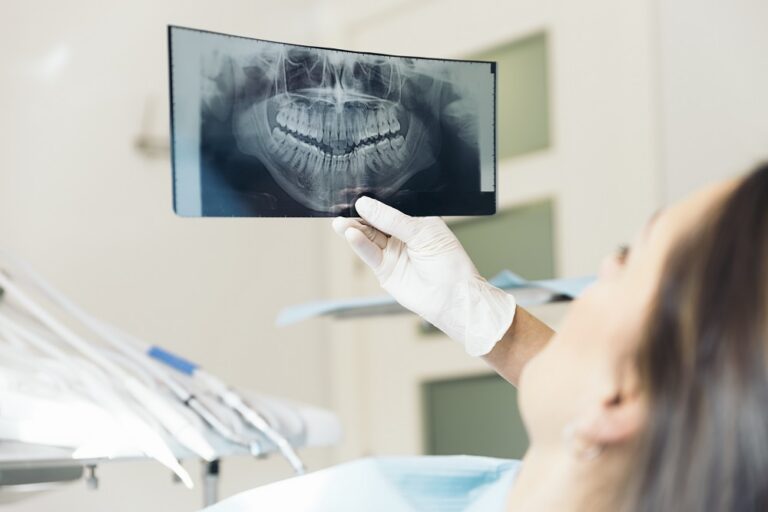
Gum disease rarely announces itself with drama at the start. Most people notice a little bleeding when they brush, some tenderness near the back teeth, or breath that seems harder to freshen. Life is busy, so those signs get pushed aside. By the time many patients seek care, the issue is no longer mild gingivitis but established periodontal disease, with inflammation below the gumline and damage that can threaten the support around the teeth.
That pattern is exactly why preventive care matters so much in conversations about Periodontal Treatment Ventura. Treatment is essential once disease is present, but prevention changes the whole trajectory. It reduces the need for more invasive procedures, lowers long term costs, and protects teeth that cannot be replaced as easily as many people assume. Even with excellent modern dentistry, preserving natural teeth is almost always the better path when it is still possible.
In a coastal community like Ventura, where people are active year round and often pay close attention to health and appearance, periodontal health still tends to be underestimated. Patients will invest in whitening, straightening, and cosmetic improvements while ignoring chronic inflammation in the gums. That is understandable because gum disease can be painless for a long time. It does not always interfere with work, meals, or sleep until it has been progressing quietly for years.
A healthy smile is built on healthy support. Teeth are not held in place by enamel alone. They rely on gum tissue, ligament fibers, and underlying bone. When those structures become inflamed and infected, the consequences go beyond redness at the margins. Pockets deepen. Bone can resorb. Teeth may shift, loosen, or become more sensitive. Treatment then has to do more than clean the teeth. It has to interrupt a disease process.
What periodontal disease actually is
Periodontal disease begins with plaque, a sticky bacterial film that forms continuously on tooth surfaces. If it is not removed thoroughly and consistently, it hardens into calculus, often called tartar. Once calculus forms, brushing and flossing at home are no longer enough to remove it. The rough surface holds onto more bacteria, and the gums react with inflammation.
In its earliest stage, this is gingivitis. Gums may bleed during brushing, appear puffy, or look darker red than usual. Gingivitis is common, and it is usually reversible with professional cleaning and improved home care. The problem is that many people do not realize bleeding is a warning sign. They think they are brushing too hard, or they avoid the area because it feels irritated. That tends to make the situation worse.
When inflammation extends deeper and starts to affect the structures supporting the teeth, it becomes periodontitis. At that stage, the gum attachment can begin to pull away from the tooth, forming deeper spaces where bacteria thrive. The body’s inflammatory response contributes to tissue breakdown, including bone loss in more advanced cases. That is where periodontal treatment moves from routine preventive dentistry into more specialized care.
One of the more difficult aspects of periodontitis is that the damage can progress unevenly. A patient may have severe pocketing around a few molars and relatively healthy tissue elsewhere. Another may have generalized moderate disease without much discomfort. This variability is why professional evaluation matters. Gum disease is not something you can judge accurately in the mirror.
Why preventive care changes the outcome
Preventive care is often framed as a basic habit, something almost too obvious to discuss. In practice, it is where the real leverage lies. Catch disease early, and treatment is simpler. Miss it for years, and care becomes more complex, more expensive, and less predictable.
A patient with gingivitis may need a professional cleaning, better brushing technique, daily interdental cleaning, and a follow up visit to confirm that the tissues have responded. A patient with established periodontitis may need deep cleaning below the gumline, localized antibiotics in select areas, repeated periodontal maintenance visits, radiographic monitoring, and in some cases surgery to access deep deposits or rebuild lost support. The difference between those two paths is not subtle.
Preventive care also matters because gum disease is not only about the mouth. Dentists and hygienists have seen for years that oral inflammation often overlaps with broader health patterns. People with poorly controlled diabetes, for example, frequently have more severe periodontal issues, and untreated gum inflammation can make blood sugar management harder. Smokers typically heal less predictably. Dry mouth from medications can increase risk. Pregnancy can intensify gum inflammation. None of these factors means disease is inevitable, but they do change how aggressively prevention should be approached.
In real practice, some of the patients who do best are not the ones with perfect teeth. They are the ones who respond early. They come in when bleeding starts. They accept regular periodontal monitoring. They adjust habits instead of waiting for pain. That responsiveness often preserves bone and tooth stability for decades.
What patients in Ventura often notice first
The early signs of gum disease are usually modest enough to ignore, especially when they come and go. A common story is a patient saying, “My gums bleed once in a while, but only around one side.” Another says their teeth look a bit longer than they used to, or they have slight sensitivity to cold near the gumline. Someone else notices persistent bad breath despite brushing well.
Those small clues can reflect very different underlying conditions, from simple inflammation to recession caused by brushing habits to more serious periodontal pocketing. That is why self diagnosis can be misleading. Bleeding, in particular, deserves respect. Healthy gums generally do not bleed during normal brushing or flossing. When they do, there is usually a reason.
Ventura patients also tend to have some lifestyle patterns that influence gum health in practical ways. Busy schedules, frequent coffee, acidic drinks after workouts, snacking between meetings, nighttime teeth grinding, and occasional dehydration all have effects on the oral environment. Beachside living is healthy in many respects, but it does not cancel out bacterial plaque or inconsistent hygiene.
What periodontal treatment usually involves
The phrase “periodontal treatment” covers a range of services, and the right approach depends on severity, anatomy, and patient risk factors. Mild inflammation does not call for the same plan as advanced attachment loss around multiple teeth. A good exam looks at pocket depths, bleeding, recession, tooth mobility, bone levels on imaging, and how well plaque is being controlled at home.
Most treatment plans fall within a few broad categories:
- Professional preventive cleaning for patients with healthy gums or reversible gingivitis.
- Scaling and root planing, often called deep cleaning, to remove deposits below the gumline in areas with periodontal pockets.
- Periodontal maintenance at shorter intervals, often every three to four months, after active disease has been treated.
- Adjunctive therapies in selected cases, such as localized antimicrobials or laser assisted treatment, depending on the clinical picture.
- Surgical periodontal care when deep pockets, furcation involvement, or significant bone defects cannot be managed predictably with non surgical treatment alone.
Scaling and root planing is one of the most common parts of Periodontal Treatment Ventura patients encounter. Despite the intimidating name, it is a straightforward non surgical procedure aimed at cleaning root surfaces below the gumline and reducing bacterial load. Local anesthesia is often used so the area can be treated thoroughly and comfortably. Many patients expect it to feel extreme, then are surprised that the appointment is more manageable than they imagined.
That said, deep cleaning is not magic. It works best when the patient follows through with meticulous home care and appropriate maintenance visits. A deep cleaning performed once, then neglected, often leads to recurrence. This is one of the more important judgment points in periodontal care. The procedure matters, but the behavior after the procedure matters just as much.
For more advanced cases, surgical therapy may be recommended. That can include flap procedures to improve access for cleaning deep root surfaces, reshaping defects in tissue or bone, or regenerative procedures in carefully selected sites. Surgery is never the first choice when a simpler approach can succeed, but delaying necessary surgical treatment out of fear can also cost a patient teeth that might otherwise have been saved.
The difference between routine cleaning and periodontal maintenance
Many patients assume all dental cleanings are basically the same. They are not. A routine prophylaxis is intended for a mouth that is generally healthy or has mild reversible inflammation. Periodontal maintenance is different. It is designed for patients with a history of periodontitis who need ongoing management to reduce the risk of relapse.
This distinction matters because disease history changes the maintenance standard. Once a patient has had deeper pockets and attachment loss, bacterial recolonization can happen more quickly in susceptible areas. Three month recare intervals are common because that timing often interrupts the disease cycle more effectively than waiting six months. In some stable patients, intervals may be adjusted, but not casually and not without evidence that the tissues are staying healthy.
Patients sometimes resist this recommendation because it sounds like “more cleanings.” In reality, it reflects a different diagnosis and a different level of risk. Framing it properly helps. The goal is not to sell extra visits. The goal is to preserve bone, limit reinfection, and prevent a stable condition from sliding back into active disease.
Prevention at home is more technical than most people think
Good home care is not about brushing harder or buying the most expensive electric toothbrush. Technique matters more than intensity. Gum tissue responds best to consistent, gentle disruption of plaque along the gumline and between the teeth. People often miss those areas while feeling confident they are doing a thorough job.
The most useful home routine is the one a patient can actually sustain. A flawless routine done for four days and abandoned for three weeks does not compete with a solid, repeatable daily habit. For many adults, the challenge is not knowledge. It is execution at the end of a long day.
A practical preventive routine usually includes the following:
- Brushing twice a day with careful attention to the gumline, using a soft bristled manual or electric brush.
- Cleaning between teeth daily with floss, picks, or interdental brushes chosen for the spaces that are actually present.
- Using any prescribed antimicrobial rinse or other dentist recommended product as directed, not indefinitely without a reason.
- Keeping regular hygiene visits and periodontal evaluations, especially if there has been prior gum disease.
- Addressing risk factors such as smoking, poorly controlled diabetes, clenching, or chronic dry mouth with the appropriate medical or dental support.
Interdental cleaning deserves special mention because it is where many routines fail. Patients often say they floss every day, but when asked how they floss, it becomes clear they are snapping the floss through the contact and pulling it right back out. Effective flossing involves wrapping the floss against each tooth surface and moving below the gum margin gently. In wider https://waylonsten114.scriblorax.com/posts/what-first-time-patients-should-know-about-periodontal-treatment-ventura spaces, small interdental brushes may work better than floss. Matching the tool to the anatomy is one of those practical details that changes results.
Why bleeding gums should not be normalized
People normalize gum bleeding more than almost any other sign of inflammation in the body. If your skin bled every time you washed your face, you would not call that normal. Yet many patients have accepted bleeding while brushing for years. Some even stop flossing because “it always makes me bleed,” when the bleeding is actually a sign they need better plaque control, not less.
There are occasional exceptions, of course. A person who restarts flossing after months of neglect may notice temporary bleeding for several days as inflamed tissue is disturbed. Hormonal changes can heighten tissue sensitivity. Certain medications can affect bleeding patterns. But as a rule, gums that are healthy and well cared for become less likely to bleed, not more.
This point matters because the window for reversal is widest early on. A patient with mild gingivitis who reacts quickly can often restore tissue health without major intervention. A patient who spends five years ignoring frequent bleeding may arrive with recession and bone loss that can be stabilized but not fully reversed.
The role of risk factors in treatment planning
No two periodontal cases are identical because the disease does not operate in a vacuum. Smoking remains one of the strongest risk factors for both disease severity and impaired healing. Even light or intermittent tobacco use can change tissue response and mask bleeding, making the disease appear quieter than it is. Vaping is not a free pass either. While the data are still developing in some areas, clinicians remain cautious for good reason.
Diabetes is another major factor. When blood sugar is poorly controlled, inflammation tends to be harder to manage and healing can be slower. The relationship goes both ways, which is why periodontal care is often part of a larger health strategy rather than a purely dental issue. Patients who improve their periodontal condition sometimes notice that their medical team has an easier time managing diabetic metrics afterward.
Stress, teeth grinding, crowded teeth, old restorations with plaque retaining margins, dry mouth from medications, and inconsistent sleep can all influence gum stability. None of these factors means treatment will fail. They simply require a more individualized approach. Good periodontal care is rarely one size fits all.
What to expect after active treatment
After scaling and root planing or other periodontal therapy, patients often expect immediate perfection. The reality is a bit more nuanced. Some tenderness is normal for a short time, and gum tissues may shrink slightly as inflammation resolves. That shrinkage can make the teeth look a little longer or create temporary sensitivity to cold. While that can be unsettling, it often reflects healthier, tighter tissue rather than a problem.
The key follow up question is whether the tissues are healing as hoped. At re evaluation visits, the dental team checks pocket depths, bleeding points, plaque control, and patient comfort. Some areas respond beautifully. Others may remain stubborn, especially around molars with complex root anatomy or sites where home access is difficult. Those are the moments when treatment planning becomes more strategic. A localized antibiotic, a referral to a periodontist, or a revised home care method may make the difference.
This is also where patient motivation becomes visible. A person who improves brushing technique, uses interdental cleaning properly, and returns for maintenance on time often sees clear gains. A person who treats deep cleaning as a one time reset without changing habits tends to plateau or relapse.
Cost, value, and the false economy of postponing care
Periodontal disease is one of those conditions where delay often costs more than action. Patients sometimes postpone treatment because they want to “see if it gets better” or because it is not hurting enough to justify the expense. The trouble is that untreated disease can progress from a manageable deep cleaning scenario to one involving surgery, extraction, implant planning, or removable replacement options.
Saving a tooth is not always possible, and there are cases where extraction is the right choice. But from both a biological and financial standpoint, preserving stable natural teeth is usually the stronger value. Replacing missing teeth is possible, yet it comes with its own maintenance demands, costs, and limitations. Implants can be excellent solutions, but they are not casual substitutes for neglected natural teeth. They also require healthy surrounding tissues and careful maintenance.
That is one reason discussions around Periodontal Treatment Ventura should not be limited to procedure names or fees. The larger issue is preserving function, comfort, and long term oral stability. Preventive care supports all three.
Choosing care with a long view
Patients do best when they see periodontal care as an ongoing relationship rather than a single fix. The first exam identifies the problem. Active treatment reduces disease. Maintenance protects the result. Home care sustains it day to day. Each piece matters, and none fully replaces the others.
For anyone noticing bleeding gums, persistent bad breath, recession, loose teeth, or increasing sensitivity near the gumline, the smartest move is a proper periodontal evaluation before the problem becomes harder to control. Early treatment is usually simpler, less invasive, and more predictable. Preventive care is what keeps that early window open.
Healthy gums do not demand much attention when they are truly healthy. That quiet is easy to take for granted. Once inflammation takes hold, the value of preventive care becomes unmistakable. It protects the foundation beneath every smile, and that foundation is what makes every other dental investment worth keeping.
Avra Dental
Address: 1708 S Victoria Ave B, Ventura, CA 93003
Phone number: (805) 941-1001
FAQ About Periodontal Treatment Ventura
Can a dentist get rid of periodontal disease?
A dentist or gum specialist (periodontist) cannot fully cure or reverse advanced periodontal disease (periodontitis), but they can successfully stop its progression and manage the infection.
Is periodontitis very serious?
Yes, periodontitis is a very serious, advanced form of gum disease that destroys the bone and tissues supporting your teeth.
How is stage 2 periodontal disease treated?
Stage 2 periodontal disease (early to moderate periodontitis) is primarily treated with non-surgical deep cleaning procedures like scaling and root planing to remove bacteria and tartar below the gumline.